Why Women’s Sports Is Becoming a Culture, Not Just a Sports Category
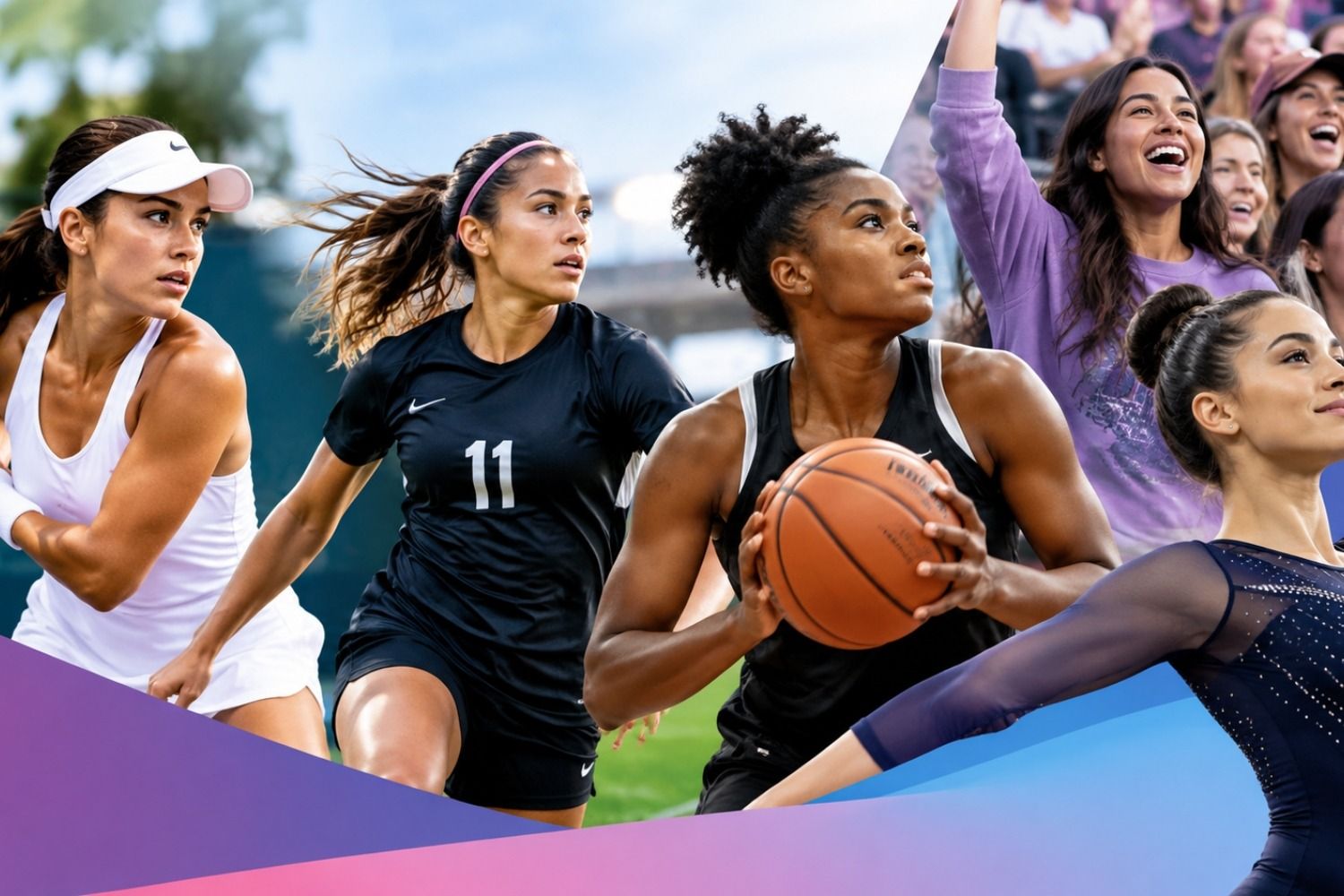
Women’s sports is no longer simply a category within sports. It is becoming a culture of its own.
That matters. For years, the commercial conversation around women’s sports was largely about parity: more coverage, better pay, bigger audiences, stronger investment. Those things still matter. But something else is happening now. Women’s sports is becoming a place where sports, fashion, entertainment, identity, community, and social conversation are colliding. The athlete is not just competing. She is shaping style, influencing brands, building communities, and becoming part of a much larger cultural conversation.
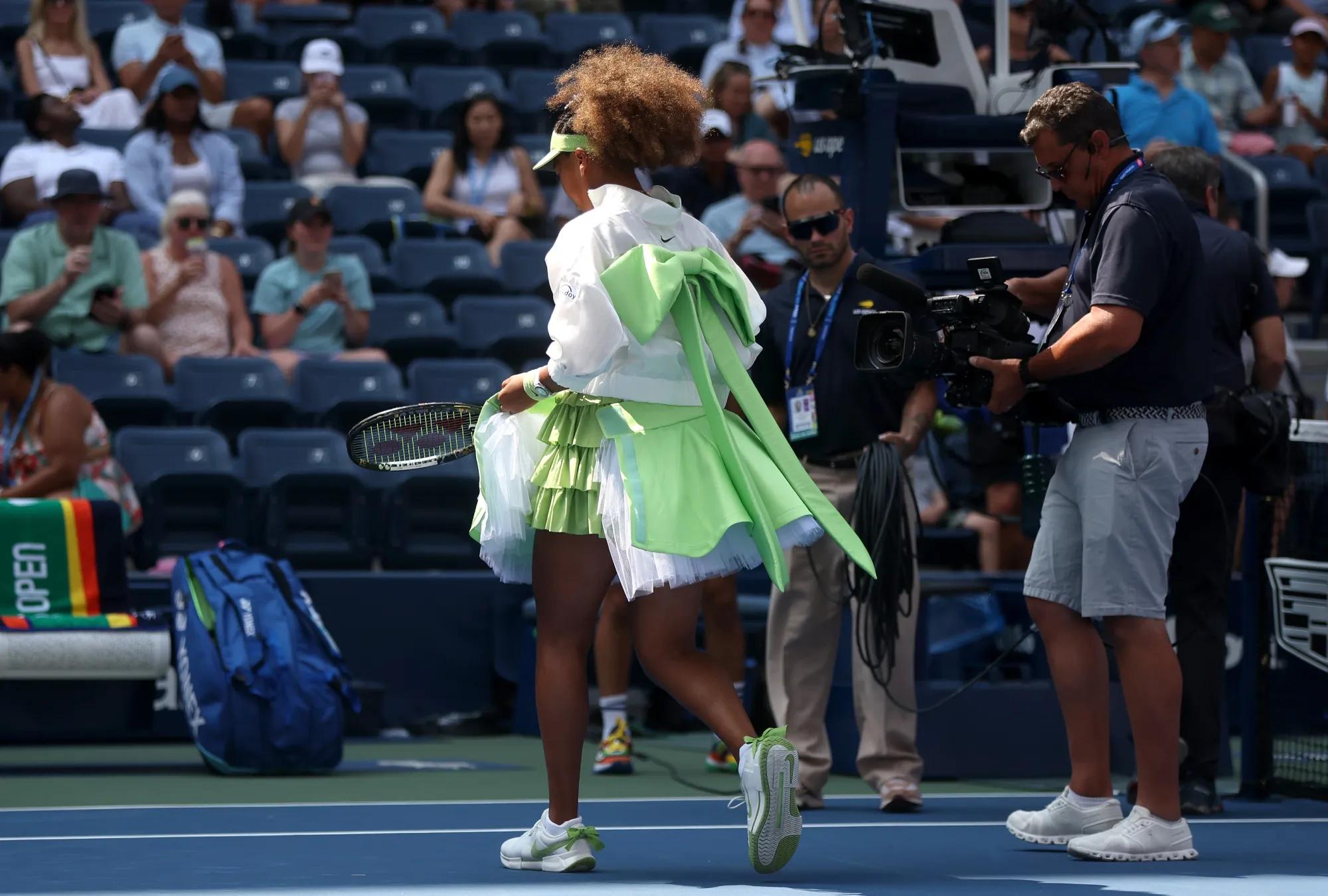
That is why the growth of women’s sports cannot be measured only by ratings or ticket sales. The more interesting signal is what happens around the game. The tunnel walk becomes a fashion moment. An athlete’s personality becomes part of her appeal. Players build enormous followings outside their sport. Rivalries become entertainment. WNBA games become social events. College athletes become creators. Fans do not simply follow teams and scores. They follow people, aesthetics, stories, and communities.
The audience is changing with it. A fan of women’s sports may also be a fashion consumer, a beauty consumer, a music fan, a creator-economy participant, or someone who has never considered themselves a traditional sports fan at all. That makes women’s sports particularly interesting for brands because the consumer journey is no longer confined to the arena or the broadcast.
The old sports marketing playbook was built around sponsorship, logo placement, and audience reach. The emerging opportunity is much bigger. Brands can participate in the culture surrounding women’s sports, but only if they understand what that culture actually is.
And that is where many brands may get ahead of themselves.
Everyone wants to say they support women’s sports right now. The cultural momentum is undeniable, and the commercial opportunity is attracting brands that might not have considered sports a natural territory before. But visibility is not the same as relevance. A brand can put its logo on a jersey and still have no real understanding of the community watching the game.
The question is no longer simply, “How many people are watching?” It is “Why are they watching, what does this community care about, and what role does the sport play in their lives?”
That distinction becomes especially important because women’s sports audiences are not monolithic. A longtime basketball fan may experience the WNBA very differently from someone who discovered the league through a particular player. A young consumer may be following an athlete because of her fashion or personality before ever watching her play. A parent may see women’s sports as a different kind of role model ecosystem for her daughter. A longtime women’s sports supporter may have an entirely different relationship with the current moment because she remembers when there was far less attention, investment, and cultural visibility.
There is also a generational shift happening underneath the growth. Younger consumers increasingly experience athletes as cultural personalities rather than people who exist exclusively within the boundaries of their sport. They follow what athletes wear, where they travel, what brands they use, what they say, and who they are outside competition. That creates a different kind of influence. The athlete is no longer simply a media placement. She can be a cultural entry point.
That is particularly powerful for brands because culture travels. A basketball player can move a sneaker conversation into fashion. A soccer player can move a sports conversation into beauty. A WNBA player can become part of a conversation about gender, identity, style, or representation that has nothing to do with the final score. The sport becomes the foundation, but the culture built around it becomes the larger ecosystem.
This is also why women’s sports may be one of the clearest examples of the changing relationship between sports and entertainment. Consumers increasingly expect sports to give them more than competition. They want personalities, stories, access, style, community, and moments worth sharing. Women’s sports is particularly well-positioned for that because many of its athletes are building their audiences at the same time the category itself is expanding.
For executives, the opportunity is not simply to get into women’s sports before the market gets more expensive. It is to understand what is actually being built. Because if brands treat women’s sports as the next media inventory to buy, they will miss the larger shift. The value is not only in the audience sitting in front of the game. It is in the culture happening around it.
Women’s sports is becoming a culture because consumers are making it one. They are deciding which athletes matter, which stories travel, which styles become recognizable, which rivalries become entertainment, and which moments become bigger than the sport itself.
The brands that understand that will have more opportunities than the brands simply buying sponsorships. They can participate in the communities, conversations, and identities being built around the athletes and leagues consumers increasingly care about.
The executive takeaway is simple: women’s sports is not just another audience. It is an emerging cultural ecosystem. And the brands that approach it only as a sports marketing opportunity may end up buying access to a culture they never bothered to understand.
The question is not whether women’s sports is having a moment. The question is what kind of culture is being built while everyone is watching.
Women’s sports is growing fast. But growth alone doesn’t tell brands why people are showing up, what they care about, or where the culture is going next.
Jembe Intelligence helps brands understand the cultural signals, audience motivations, and consumer behaviors shaping the next generation of sports culture.
Don’t just buy into the moment. Understand the culture behind it.