Case Study: Culture on America’s Biggest Stage: What Kendrick Lamar and Bad Bunny’s Halftime Shows Reveal About Cultural Resonance and Brand Opportunity
The Context
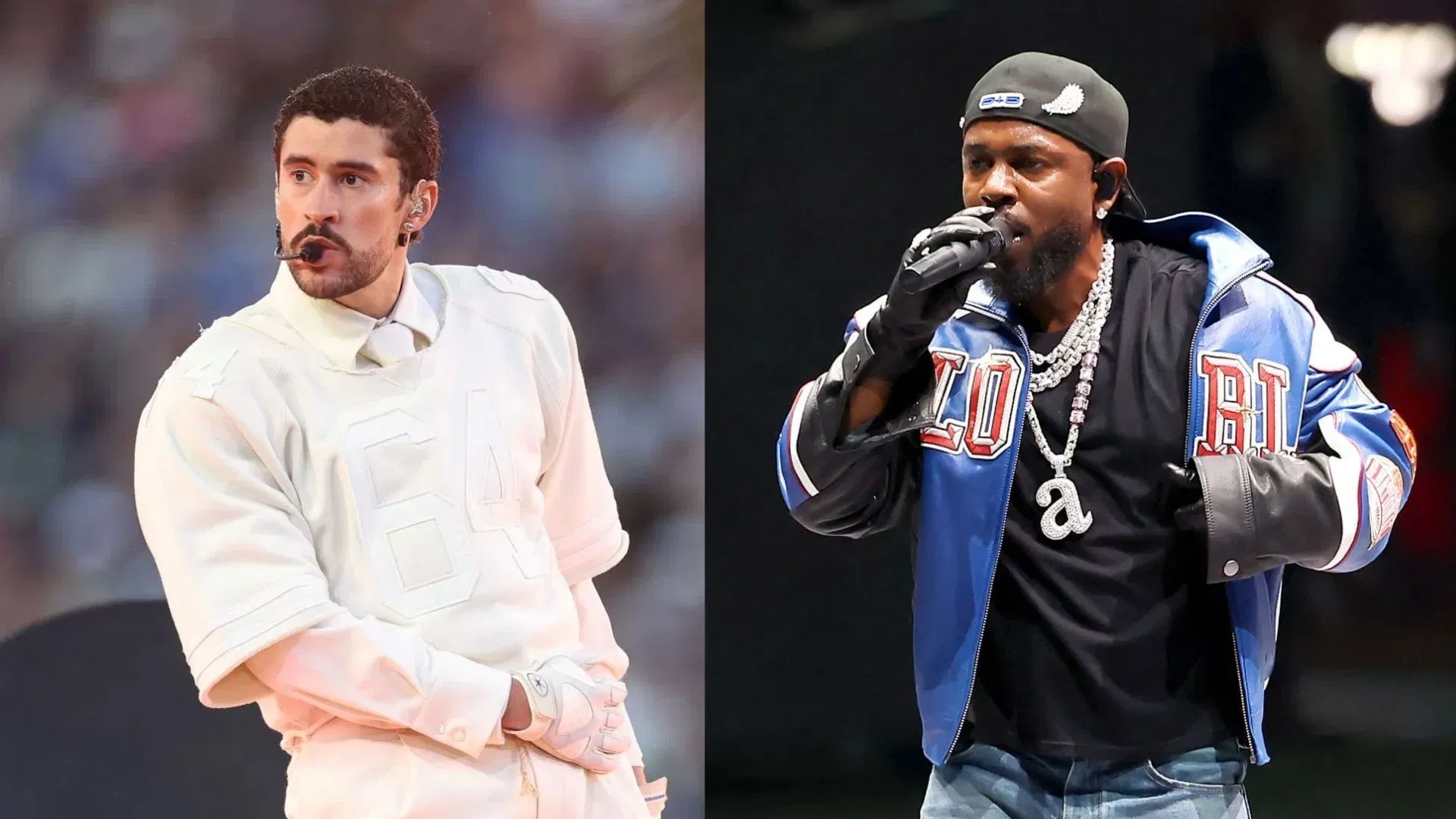
The Super Bowl Halftime Show holds a unique place in American media. It is one of the few entertainment moments that reaches deep into culture, conversation, and identity in real time. In 2025, Kendrick Lamar’s halftime performance became the most-watched in U.S. history with roughly 133.5 million viewers, drawing not just eyeballs but emotional engagement from audiences. TheJembe’s survey of more than 700 viewers showed that Lamar’s show was not just seen as entertainment but as a cultural expression that resonated deeply across identity and narrative lines.
Months later, Bad Bunny’s halftime performance generated similar cultural momentum, though through a different axis of identity influence: global Latinx music culture, Spanish-language performance, and pride in heritage. Public reaction, social commentary, and cultural viral momentum around Bad Bunny’s set suggested another signal: audiences are tuning in through cultural frameworks, not just spectacle.
Together, these performances illustrate a shift in how audiences interpret major media events and provide brands with a blueprint for how cultural resonance translates into emotional and strategic impact.
The Strategic Challenge
Brands still often treat cultural moments as opportunities for visibility, assuming that high reach equals cultural engagement. But reaching a cultural audience requires more than placement; it requires resonance. Linkage to identity. Trust in narrative. Genuine alignment with lived experience.
The primary strategic question for brands should be:
How do culturally grounded moments influence audience perception, emotional investment, and meaning-making, and how can brands support or thoughtfully engage in these narratives?
TheJembe case study explores this through the lens of two Super Bowl halftime performances that dominated culture not merely because they were hyper-visible, but because they felt familiar, relevant, and deeply identity-affirming to key audiences.
TheJembe Approach
Following Kendrick Lamar’s halftime show, TheJembe conducted a targeted perception study among more than 700 viewers who watched the broadcast. The research probed depth of experience, emotional reaction, and cultural interpretation rather than basic like/dislike metrics.
Instead of focusing on raw viewership or shareable moments, the study surfaced qualitative resonance patterns that show how cultures interpret storytelling, narrative cues, and identity signaling.
For the comparison with Bad Bunny, TheJembe combined the performance data with broader public reaction trends, social commentary, and cultural signals observed across global audiences.
While direct survey metrics were specific to Lamar’s show, the cultural behaviors surrounding Bad Bunny’s performance: trending discussion topics, language communities, representation narratives, and identity amplification provide enough signal to analyze comparative cultural interpretation.
This approach treats cultural resonance as a strategic metric rather than an afterthought, recognizing that what audiences feel about cultural moments can be predictive of longer-term brand and media engagement trends.
What We Uncovered
Cultural Resonance Outperforms Neutral Appeal
Kendrick Lamar’s performance was widely rated “Excellent” by the majority of respondents. But the deeper insight was not its production value. It was the way audiences interpreted the performance as an extension of identity storytelling. Viewers didn’t just watch. They engaged with meaning, interpreting lyrical choice, artistic presentation, cultural symbolism, and historical depth as part of their own cultural maps.
Similar signals were evident in the cultural reception of Bad Bunny’s halftime performance. Rather than neutral entertainment, Bad Bunny’s performance was widely discussed as a moment of cultural representation for Spanish-language and Latinx audiences, globally and domestically. Social media reaction included Spanish-language dialogue, pride articulation, and emotional connection to heritage themes, indicating that representation at this scale doesn’t just get attention; it validates identity.
For brand strategists, this is a pivotal distinction. High reach without emotional interpretation is surface impact. High resonance, where audiences see themselves in the narrative, is strategic advantage.
Identity Interpretation Drives Engagement
TheJembe survey revealed that audiences naturally evaluate cultural moments through complex identity lenses. For Lamar, Black cultural context was part of narrative interpretation. For Bad Bunny, Latinx cultural pride became part of group identity affirmation. In both cases, audiences were not passive. They were interpreting, decoding, and emotionally mapping these performances into larger social contexts, not just broadcast entertainment.
This means that cultural moments are not simply viewed. They are experienced, shared, and interpreted. They become narrative hooks that audiences use to make sense of their own identity and cultural belonging.
Brands that miss this point treat cultural moments as neutral canvases. They assume that presence equals impact. The data from Lamar’s show and the cultural signals from Bad Bunny’s performance show a different truth: audiences evaluate cultural moments through identity-anchored meaning frameworks.
Cultural Authenticity Influences Perception
While our survey did not quantify real-time audience perception of Bad Bunny’s performance, public reaction demonstrates a similar pattern observed for Lamar: audiences gravitate toward performances that reflect authentic cultural narratives. They interpret artistic choices not as abstraction but as shared experience markers. Bad Bunny’s use of language, musical style, and cultural symbols created an emotional connection that extended across diaspora communities, affirming identity rather than simply entertaining.
For Kendrick Lamar, positive audience perception hinged on how his artistic choices: lyrical depth, cultural references, and narrative layering, reflected cultural participation rather than broad-spectrum generalization. These performances were clear signals, not broadcasts.
Strategic Implications for Brands
Cultural moments matter only if they connect with identity frameworks. A brand slapped onto a cultural moment without cultural understanding does not gain resonance. It creates noise.
Brands must shift from visibility mindset to cultural resonance mindset. The measure of success should not be reach but interpretive engagement; how audiences make meaning from the presence, what narratives they attach to it, and how it fits into their lived cultural context.
This requires three strategic shifts:
First, invest in meaningful narrative partnerships that go beyond influencer endorsement into co-creative storytelling. When the narrative reflects cultural logic shared with communities, the audience is more likely to internalize it.
Second, build measurement frameworks that track emotional and interpretive response (sentiment, cultural signaling, identity alignment), not just vanity metrics like impressions or recall.
Third, treat culture as a strategic asset woven into brand strategy rather than a marketing layer. Cultural fluency needs operational support across creative development, media strategy, and consumer engagement.
The Bottom Line
The Kendrick Lamar and Bad Bunny halftime show performances illustrate a broader shift in cultural consumption: modern audiences do not evaluate cultural moments in isolation. They interpret them through identity, shared history, and emotional resonance.
Kendrick Lamar’s audience interpretation, as shown by our perception study, was rooted in cultural meaning, not spectacle alone. Bad Bunny’s performance sent similar signals of cultural affirmation, particularly among Latinx and global audiences.
The strategic lesson for brands is clear. Culture is not noise. It is an interpretive arena where meaning is created, shared, and monetized. Brands that recognize this and design engagement strategies that tap into cultural signals, and not merely broadcast half-hearted messages, will earn loyalty, trust, and long-term relevance.
Modern cultural moments are not just seen. They are decoded. They are felt. They become part of audience identity narratives. And that is where brand impact truly lives.
____________________________________________________________________________
Ideas for Visual Elements
Cultural Signal:
133.5 million viewers watched. But viewership was not the story. Cultural resonance was.
Identity Interpretation:
Audiences don’t just watch cultural moments. They interpret them through identity, memory, and belonging.
Strategic Shift:
Visibility creates awareness. Cultural resonance creates loyalty.
Meaning Over Spectacle: These performances were not neutral entertainment. They were identity affirmations on the largest stage in media.
A Warning to Brands: Presence in a cultural moment does not guarantee relevance. Relevance is earned through alignment.
Audience Interpretive Engagement: Modern audiences decode narrative signals. They evaluate who is speaking, who is represented, and who is behind the story.
Cultural Authority: When artists bring authentic cultural authority to mass platforms, audiences respond with trust. Brands should take note.
Economic Implication: Cultural affirmation drives emotional investment. Emotional investment drives long-term brand equity.
Comparative Insight: Kendrick Lamar reflected Black cultural lineage. Bad Bunny amplified global Latinx pride. Different identities. Same strategic outcome: resonance.
For Brand Executives: Culture is no longer a marketing layer. It is a performance variable.