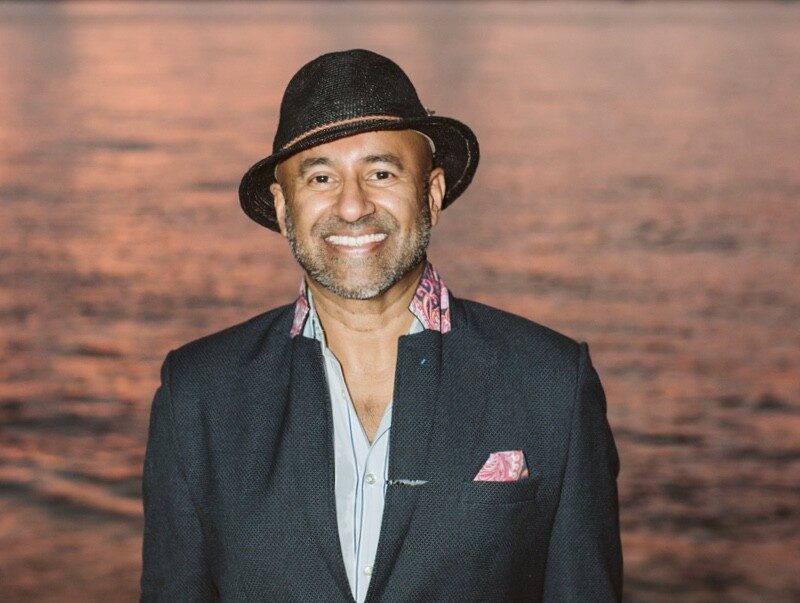
- You’ve spoken about the importance of data integrity, especially in an era of AI and fraudulent responses. Now that you’re living inside the healthcare system as a patient, how do you see the connection between market research and real-world healthcare outcomes?
Now more than ever, I see that bad data doesn’t just hurt business decisions—it can ruin lives. A misdiagnosis, a delayed treatment, a flawed study—these ripple into real consequences. As a patient, I’ve seen how much rides on flawed systems. As a researcher, I know we can do better. Market research isn’t just about opinions anymore. It’s about insight that drives life-saving, life-affirming decisions.
- What kinds of blind spots in data collection or analysis could lead to misinformed decisions that affect patients in the healthcare system?
So many. We exclude people who can’t access digital tools. We fail to account for cultural nuance. We use proxies for health that miss the lived experience. We rush to quantify pain but forget to qualify it. And in rare diseases like ALS, we often lack representative data entirely. The biggest blind spot is forgetting that every datapoint is a person—someone’s parent, someone’s partner, someone who matters.
- What role do you believe market researchers and the platforms that serve them can or should play in improving the healthcare experience for people with rare or terminal diseases?
We must become amplifiers of the unheard. Researchers and platforms should prioritize ethical design, inclusive samples, and real-time feedback loops with patients and caregivers. Let’s stop chasing the largest n and start centering the right voices. We have the tools to bring empathy into evidence—but only if we choose to ask the right questions, and listen well.
- Trust is everything in healthcare. From your vantage point, what does it take to build trustworthy research in this space, and how should that trust be measured?
Transparency, consent, context. People need to know what you’re doing with their data, why it matters, and how it could help someone like them. Trust should be measured not just in participation rates, but in follow-through. Did we close the loop? Did we respect the dignity of the people we surveyed? Did we share back the insights, or just extract them? The golden metric of trust is whether someone would participate again—and recommend others do too.
- What do you think most companies get wrong about building trust in a sales context?
They confuse rapport with trust. Trust isn’t built in the pitch—it’s built in the follow-up, the consistency, the honesty when things go sideways. Especially in B2B sales, trust means proving that you’re not just here to win the deal—you’re here to stay when it’s hard. You build trust by showing you’re not selling to someone’s budget—you’re investing in their success. This is why GTM new business teams can only truly be successful year-over-year with the continued development and adequate resources devoted to engineering & product innovation, customer service & success, and account management.
- You’ve said time is the only truly finite resource. How has that belief shaped the way you lead, prioritize, and show up—for your team, your work, and yourself?
ALS has taught me that I don’t have the luxury of wasting time—not mine, not anyone else’s. Every meeting is a choice. Every task is a tradeoff. I lead with more clarity now, because I have to. I show up with more presence because distractions are thieves. I prioritize people over perfection, impact over ego, and legacy over busyness. I don’t have time to impress you—I only have time to mean something.
- What are the first signs a team culture is healthy, and what are the red flags?
I’m a sports junkie. Aside from my own personal experiences, collaborating with leaders I respect, and reading, observing team sports is an effective way to learn about culture. I am also addicted to Ted Lasso.
A healthy team culture feels light, even when the work is heavy. There’s laughter. There’s room to ask “why?” There’s trust to fail forward. The red flags? Silence. Blame. The absence of curiosity. When people are afraid to speak up—or too tired to care—you’ve already lost the culture. And once culture’s gone, process won’t save you.
- You’ve made a point to distinguish “bad data” from “fraudulent data.” Why is that distinction so important for the future of the research industry?
Because intent matters. Bad data is often a symptom of poor design, unclear questions, or rushed execution. Fraudulent data is deliberate manipulation. If we treat them the same, we’ll solve neither. The future of research depends on our ability to diagnose the root cause of data failure—and respond with both smarter technology and more human accountability.
For Cecil, the future of research isn’t just about better technology; it’s about deeper accountability. As he continues to challenge the industry to rebuild trust, refine ethics, and re-center the human experience, his message is clear: the real innovation in insights will come from listening harder, designing smarter, and caring more about what the data means for the people it represents.