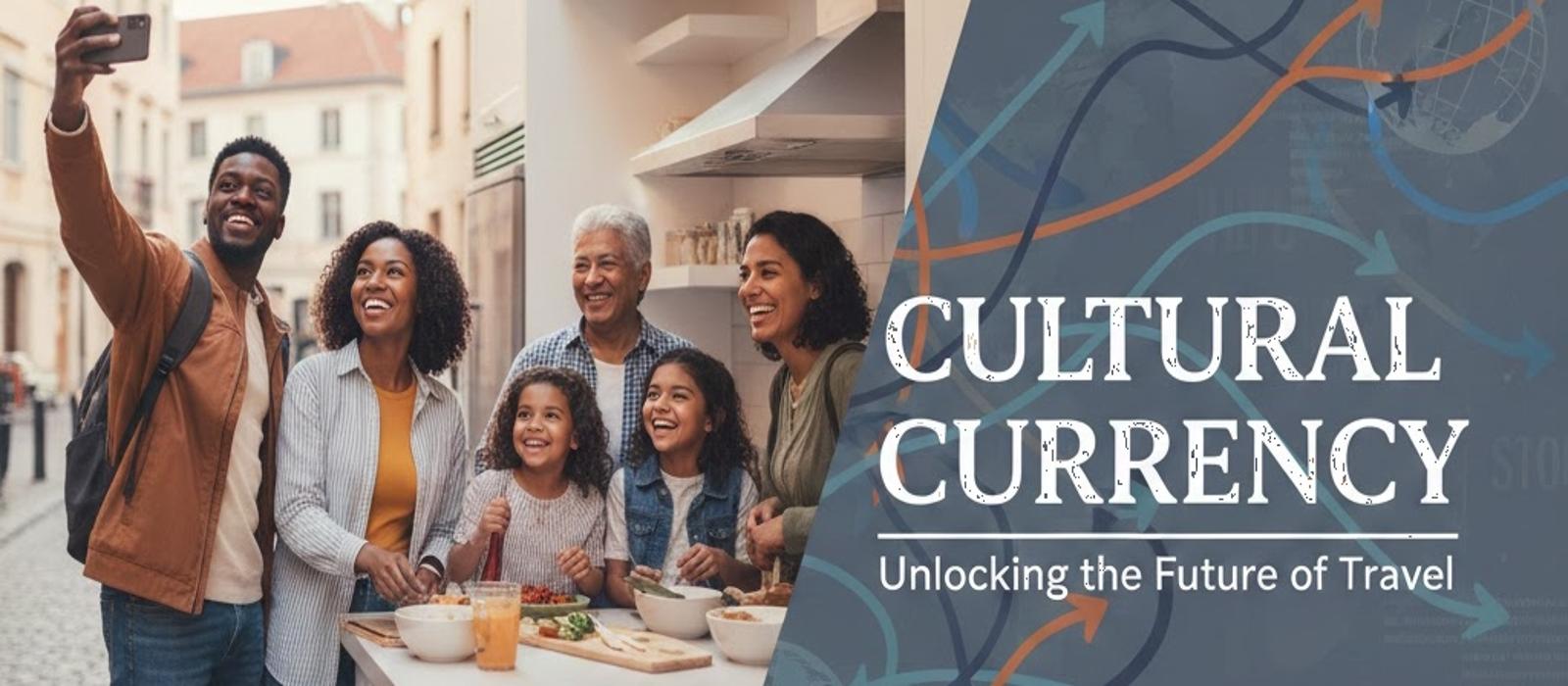
In 2025, travel isn’t just leisure; it is identity work. It is culture, safety, belonging, and narrative. But even as Black and Latino travelers become some of the most powerful segments in the hospitality economy, many of the brands claiming to serve them still operate as if one universal traveler exists. Marriott, Airbnb, Delta, Hilton, and other industry leaders have leaned into inclusivity language, but downstream experiences, marketing resonance, and cultural understanding often lag behind the rhetoric. What happens when an industry built on global movement still fails to move with culture? The answer is cost, lost loyalty, and missed economic opportunity.
Black travelers, for example, are not a niche anymore; they are a market. According to a recent study, Black U.S. leisure travelers spent an estimated $145 billion on travel in 2023 and are projected to spend an average of nearly $3,000 per trip in 2025. That’s a significant share of the total U.S. leisure travel market– around 11% – and one that’s growing in both frequency and economic impact. Yet despite those numbers, hospitality brands still struggle to reflect what the data actually says about this audience’s motivations: safety, representation, community, and cultural resonance.
Similarly, Latino and Hispanic travelers are a force no brand can afford to overlook. According to a survey commissioned by Airbnb and reported in a 2024 travel report, Latin and Hispanic travelers in the U.S. are projected to make 10% more trips in 2025 and spend an additional $180 per trip compared with the previous year, contributing an estimated $165 billion to the tourism economy. This segment also shows distinct behavioral patterns: these travelers are more likely to prioritize cultural experiences, travel with extended family, and choose accommodations like Airbnb at higher rates than non-Hispanic travelers.
Taken together, these two audiences– both financially influential and culturally driven– represent a shift that the industry cannot afford to ignore. Yet most travel and hospitality brands still measure success through the lens of occupancy and bookings rather than cultural alignment. They talk about inclusion in taglines and one-off campaigns, but they often miss the nuance that gives those messages deeper meaning in the lived experience of multicultural travelers.
One of the most telling examples of this disconnect is how safety and representation are operationalized in marketing vs. reality. 44% of Black travelers say the cultural and racial diversity of a destination is the primary factor in how safe they perceive it to be, and 70% are more likely to consider destinations that actively promote their inclusivity efforts. This is not just background noise– it is a strategy signal. When brands fail to reflect diversity in their imagery, messaging, and partner ecosystems, it isn’t just tone-deaf; it’s a deterrent. Travelers are making decisions based on factors mainstream campaigns still treat as secondary.
These data points reflect something far deeper than preference hierarchy. They signal that multicultural travelers are doing pre-travel cultural calculus that most travel brands don’t measure. Before a Black traveler books a night at a Marriott in Miami or a Latino family rents a property through Airbnb in Austin, they are scanning for authentic representation, social proof from peers, and evidence of safety, whether that evidence lives in travel influencer content on TikTok, reviews on TripAdvisor, or social validation on Instagram. This is digital word-of-mouth at scale, and brands that ignore it are effectively blind to the signals that drive loyalty.
A recent travel industry report further illustrates how brand engagement and loyalty link directly to inclusive practices. The report finds that roughly 70% of Black travelers prefer travel brands that explicitly support and promote diversity and inclusion, and that they are more likely to participate in loyalty programs and book repeatedly with providers who demonstrate that support. This is not casual affinity; this is economic behavior tied to cultural affirmation. Brands that hear “diversity” as a checklist are missing that this is also a loyalty engine.
Despite this, institutional representation within the travel world itself remains limited. An analysis of U.S. Bureau of Labor Statistics data shows that Black professionals hold just 9.5% of hospitality leadership roles, and that representation has declined from 11.3% in 2022, even as overall industry employment grows. The upper echelons, where strategic decisions about marketing, guest experience frameworks, and diversity priorities are made, remain significantly less diverse than the travelers they want to attract. This gap between leadership demographics and customer demographics creates a blind spot that costs brands in insight, relevance, and revenue.
And this isn’t just a Black traveler issue or a Latino traveler issue. A broader industry snapshot shows that around 68% of BIPOC travelers feel the tourism industry needs to do more to promote cultural diversity, and that inclusive marketing strategies correlate with 25% higher satisfaction and loyalty scores among diverse guests. Travelers are voting with their feet and wallets, and they are choosing brands that both resemble them and resonate with them.
The disconnect between travel brands and multicultural travelers is not subtle; it is structural. When Marriott champions a global footprint but fails to tailor its marketing to reflect multicultural norms, or when Delta highlights global luxury but doesn’t articulate why Black families or Latino communities should make that airline their first choice, the message is lost. It doesn’t matter how glossy the campaign is. What matters is whether the audience feels seen, understood, and genuinely welcomed.
The consequences are measurable. When cultural fluency is absent, travelers turn to alternatives. Black and Latino travelers are more likely to use peer-to-peer platforms like Airbnb because they can see real people who look like them in authentic settings, and they can use community validation to assess safety and cultural fit– something mainstream hospitality brands still struggle to articulate. These platforms aren’t necessarily cheaper or more luxurious; they are culturally visible.
It’s not that Marriott, Hilton, or Delta have ignored diversity completely. Many have DEI initiatives and multicultural marketing teams. The problem is that these efforts often sit in isolation, disconnected from the core brand narrative and the booking journey. They become marketing annexes rather than strategic imperatives. Travelers don’t experience DEI as a separate checkbox; they experience it through imagery, language, partner recommendations, loyalty benefits, and storytelling that feels historically grounded and present-focused.
Black and Latino travel groups are also creating their own cultural infrastructure, signaling where the real trust resides. Groups like the Black Travel Alliance and Nomadness Travel Tribe are not just social clubs– they are cultural validators that curate safe spaces, community events, and peer recommendations. Their influence directly shapes destination choices, hospitality preferences, and travel pacing. Brands that ignore these cultural networks are effectively bypassing the source code of modern travel culture.
But there are opportunities for those who listen well. Hospitality brands that invest in truly inclusive imagery, destination storytelling that reflects multicultural heritage, partnerships with cultural travel creators, and operational practices that ensure safety and welcome will win loyalty, not just market share. Representation can’t be superficial; it must be woven into every touchpoint, from the first ad impression to post-trip follow-up.
Modern travel is not simply about selling nights or flights. It’s about understanding why people move. For Black travelers, that often means destinations that feel both physically and culturally safe. For Latino travelers, it can mean spaces that reflect extended families, culinary connections, and cultural heritage. When brands misread those motivations, they lose currency in the very markets they want to lead.
For Marriott, Airbnb, Delta, Hilton, and others betting on travel’s rebound and growth, the next frontier of competitive advantage is cultural fluency. Hospitality brands that speak the language of their audiences will do more than fill rooms; they will earn trust, loyalty, and advocacy. And that is a market advantage no algorithm can replace.